
Learn through little stories
UX research, made simple.
Choose a method. Follow a tiny story. Learn what it is, when to use it and what to remember.
21 methods. 4 stages. 8 simple steps each.

Showing 21 methods
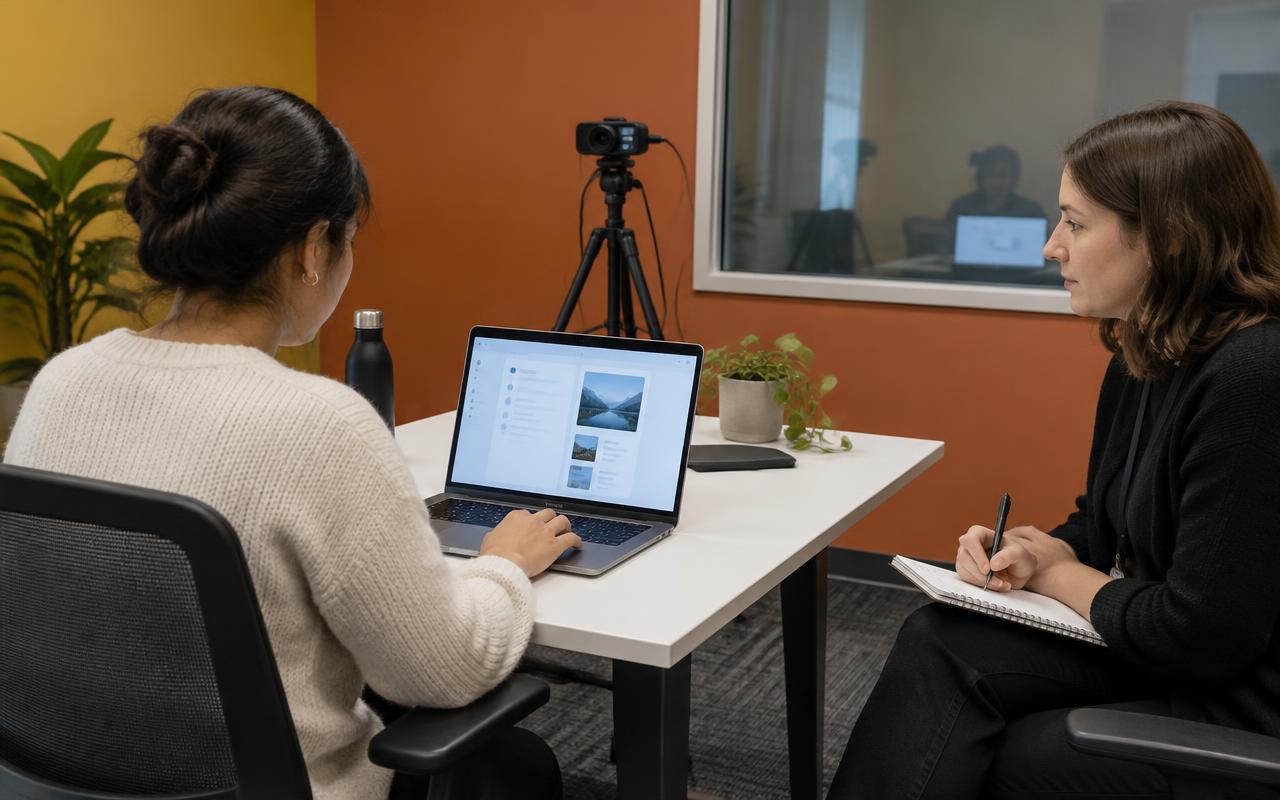
Usability Testing
Can people complete the task without help?
Watch someone try a real task and see where they get stuck.

Field Studies
What changes when we see the real environment?
See how people work in their real surroundings, not a meeting room.

Ethnography
How do routines, relationships and culture shape the experience?
Spend time with a group to understand its routines, relationships and shared ways of doing things.

Contextual Inquiry
Why does someone perform the task this way?
Watch real work and ask people to explain it as they go.

Participatory Design
What would people build around their own priorities?
Invite people to sketch or arrange ideas so you can learn their priorities.

Focus Groups
How do people discuss a topic together?
Bring a small group together to hear different views and shared language.

Interviews
What goals and experiences sit behind the request?
Have a one-to-one conversation about real experiences, goals and concerns.

Concept Testing
Does this idea address a meaningful need?
Show an early idea and check whether people understand and value it.

Diary Studies
What happens between the moments we can observe?
Ask people to record small moments over days or weeks as life happens.
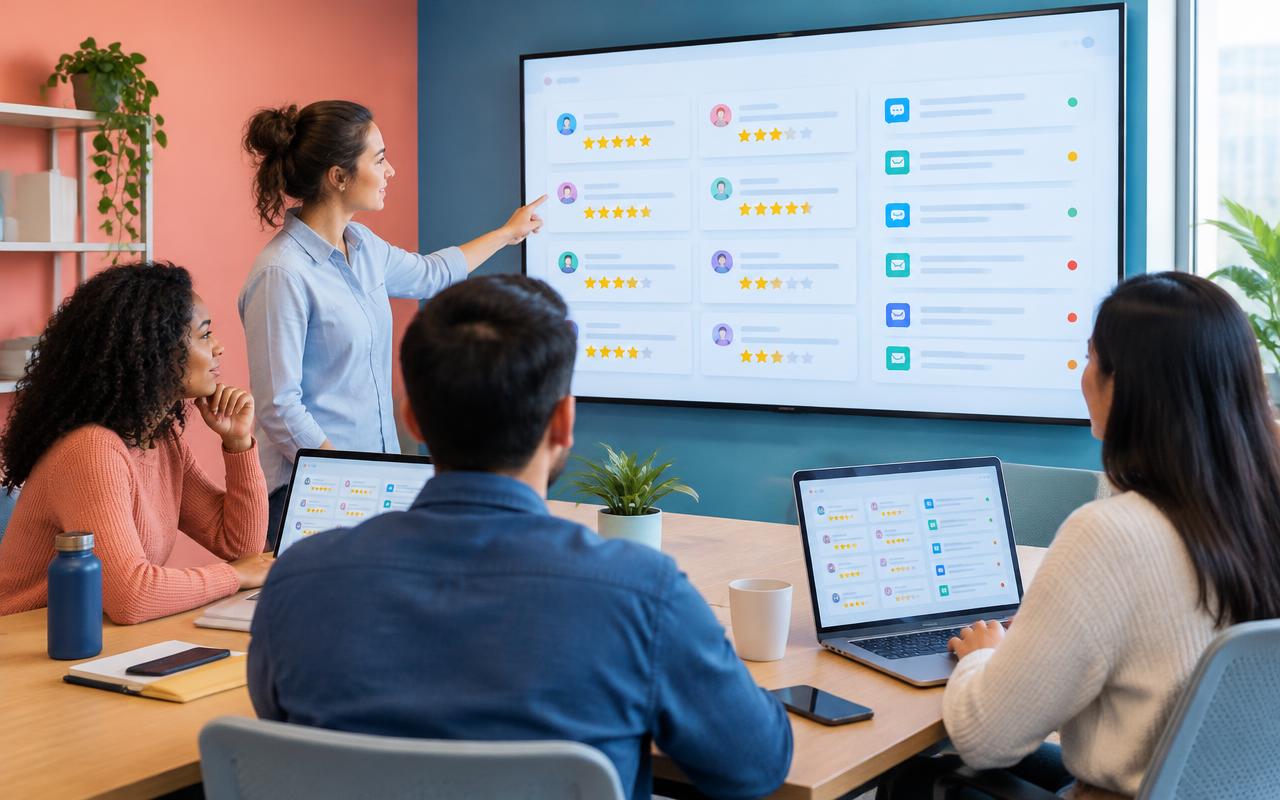
Customer Feedback
What are users choosing to tell us?
Learn from the questions, complaints and praise people already share.

Desirability Studies
What qualities does this visual direction communicate?
Ask which qualities a design communicates, such as friendly, clear or trustworthy.

Card Sorting
How do people group and name information?
Ask people to group content and name the groups in their own words.
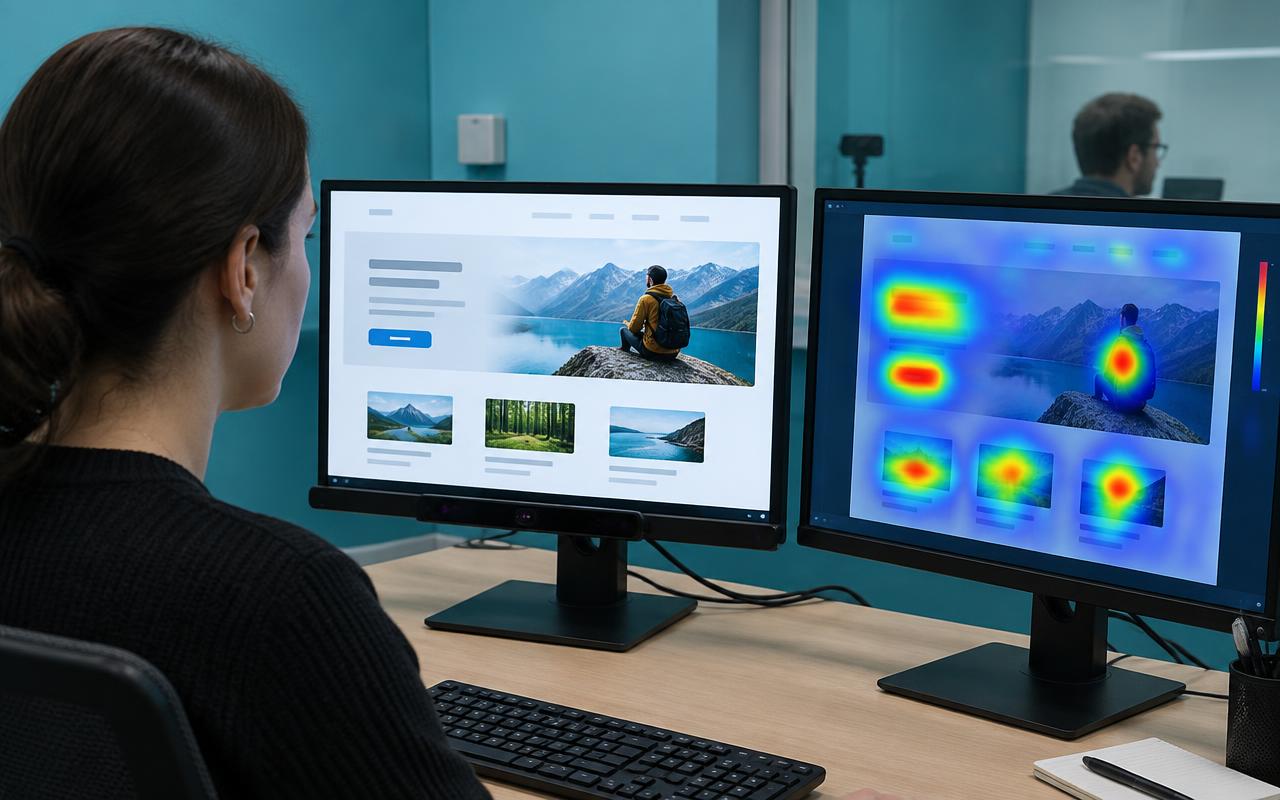
Eyetracking
Where does visual attention go during a task?
See where someone looks while they try to understand a screen.

Usability Benchmarking
How does performance change against a baseline?
Measure task performance so you can compare versions fairly.

Remote Moderated Testing
Where does the experience break on someone’s own device?
Guide a live session online while someone uses their own device.

Unmoderated Testing
Can people perform the task independently at scale?
Let people complete tasks on their own, without a live moderator.

Tree Testing
Can people find information in this structure?
Test whether people can find information using category labels alone.

Analytics
How often does this pattern happen?
Use product numbers to spot patterns, changes and places to investigate.

Clickstream Analytics
Which paths do people take through the product?
Follow the sequence of pages and actions people take through a product.
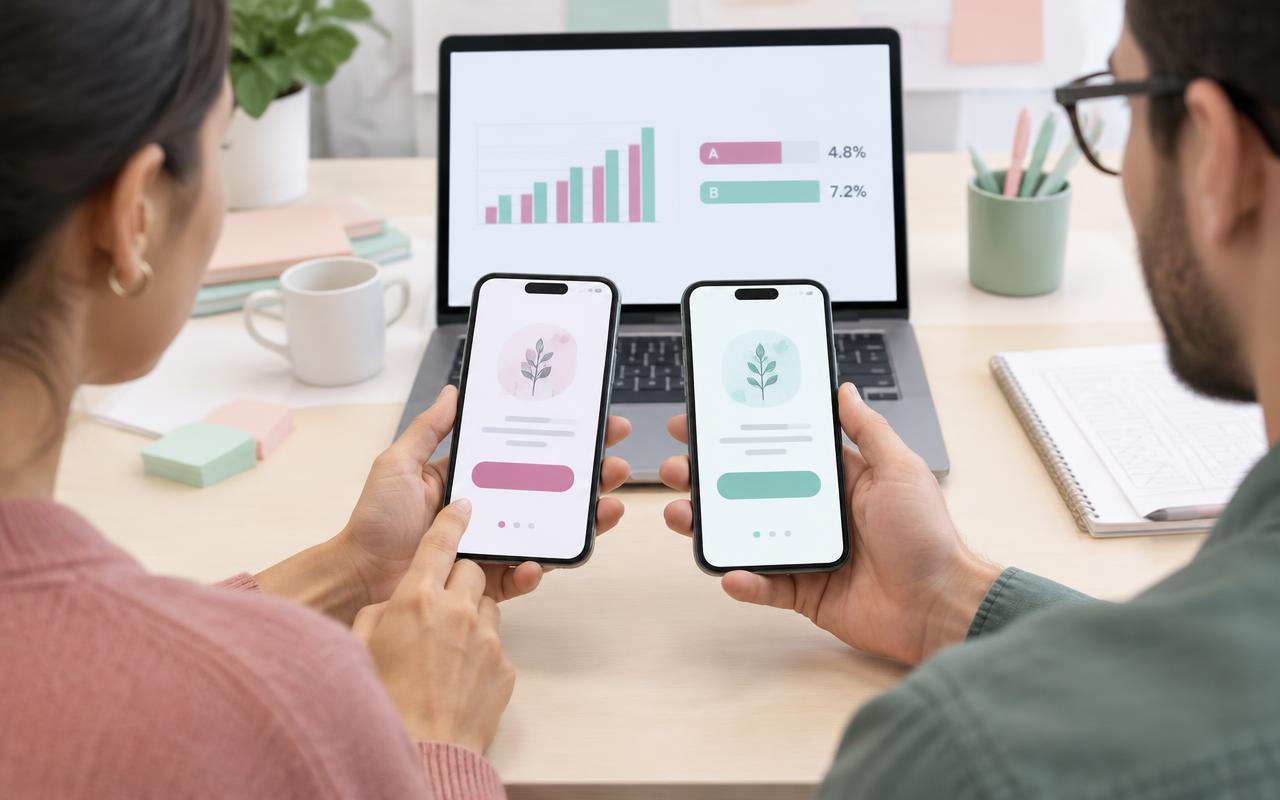
A/B Testing
Does this change cause a measurable improvement?
Compare two versions fairly to see whether a change improves a chosen result.

Surveys
How widespread is this reported attitude?
Ask the same clear questions to learn how common an experience or attitude is.
Research methods follow the NN/g framework in A Guide to Using User-Experience Research Methods.
Stories are illustrative educational examples, not completed project studies. Methods can span multiple lenses depending on how a study is designed. Product stages are useful starting points, not fixed rules.